Physician Relocation
Florida Amendment 3 Result and What It Means for Homestead

Key takeaways
- Florida voters approved Amendment 3 on November 3, 2026. 62.0% voted yes and 38.0% voted no.
- Starting January 1, 2027, the homestead exemption on non-school property taxes rises to up to $150,000. It rises to up to $250,000 in 2028.
- People who establish Florida residency on or after January 1, 2027 start at $50,000. They move up to the larger amount in their fifth year of exemption.
- School taxes keep the $25,000 exemption. Save Our Homes and portability do not change.
Florida voters approved Amendment 3 on November 3, 2026. 62.0% voted yes and 38.0% voted no. A Florida amendment needs 60% to pass. Here is what that means for homestead, in plain facts.
The result
Florida voters approved Amendment 3 on November 3, 2026. 62.0% voted yes and 38.0% voted no. A Florida amendment needs 60% to pass.
These figures were read from the Florida Division of Elections results site at 10:12 p.m. Eastern on November 3, 2026, with results in from all 67 counties. Election night results are unofficial until the state certifies them.
What Amendment 3 does
Today the homestead exemption is about $50,000. The first $25,000 of it also applies to school taxes.
Amendment 3 keeps the $25,000 exemption for school taxes.
For all other property taxes, the exemption rises to up to $150,000 starting January 1, 2027.
It rises to up to $250,000 starting January 1, 2028.
Starting in 2029 the $250,000 amount adjusts each year with inflation when inflation is positive.
The Legislature must also set a way for counties and cities to raise the exemption further. Special districts can raise it by referendum.
New residents and the five year rule
This is the part most relevant to people moving to Florida.
If your Florida permanent residence starts on or after January 1, 2027, your exemption on non-school taxes starts at $50,000. That amount adjusts with inflation starting in 2028.
Beginning with your fifth year of exemption, you move up to the same larger amount everyone else gets.
Starting in 2030, a county or city can shorten that wait by a two thirds vote of its governing board if it finds a critical local need.
If your Florida permanent residence started by December 31, 2026, you qualify for the larger amounts starting in 2027.
What does not change
The Save Our Homes cap stays the same. Assessed value on a homestead still rises no more than 3% a year or the rate of inflation, whichever is lower.
Portability stays the same. You can still move up to $500,000 of Save Our Homes savings to a new Florida homestead.
The March 1 filing deadline for the homestead exemption is set by state law and is not part of this amendment.
Other changes in the amendment
For homes that are not a homestead, like second homes and rentals, the yearly cap on assessment increases drops from 10% to 5% starting in 2027. This cap applies to non-school taxes.
Counties and cities may use property tax money only for listed purposes. These include public safety, schools, infrastructure, natural resources, debt, retirement obligations and government operations.
Orange County Government estimates the change will reduce county property tax revenue by about $165 million in 2027 and about $275 million in 2028.
When you will see it
The amendment takes effect January 1, 2027.
Florida property tax bills go out each November, so the 2027 bills are the first to reflect it.
Frequently asked questions
Did Florida Amendment 3 pass? Yes. It received 62.0% of the vote in unofficial results, above the 60% Florida requires.
How big is the new homestead exemption? Up to $150,000 for non-school property taxes starting in 2027, and up to $250,000 starting in 2028. School taxes keep the $25,000 exemption.
What if I move to Florida in 2027 or later? Your non-school exemption starts at $50,000. You move up to the larger amount beginning with your fifth year of exemption.
Does Save Our Homes change? No. The 3% or inflation cap and portability stay the same.
This post reports what the amendment says and how voters decided. It is not tax or legal advice. For your own situation, check with your county property appraiser or a tax professional.
For the full picture on moving here, see our physician relocation guide and our post on how homestead and Save Our Homes work.
Sources and further reading
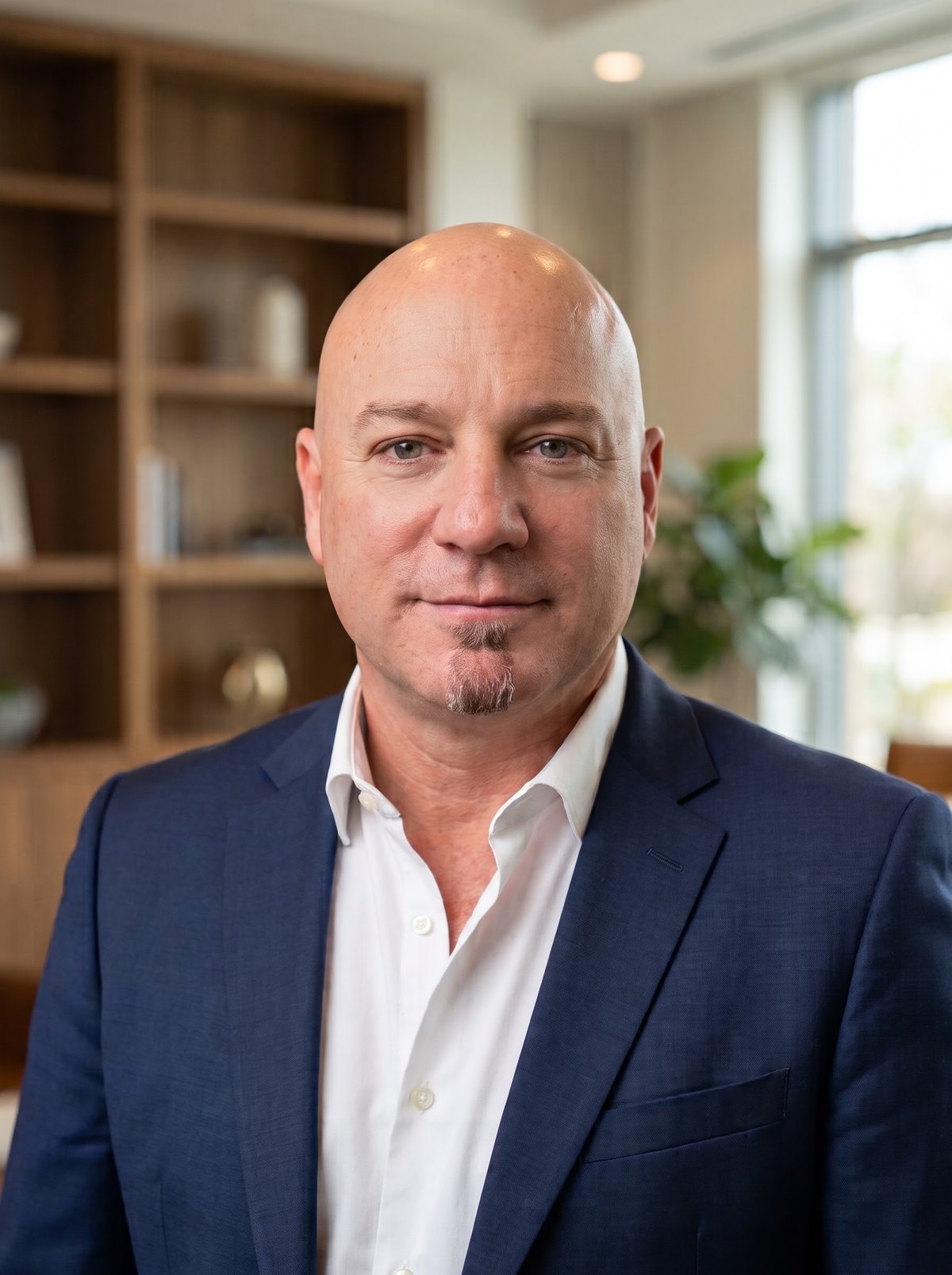
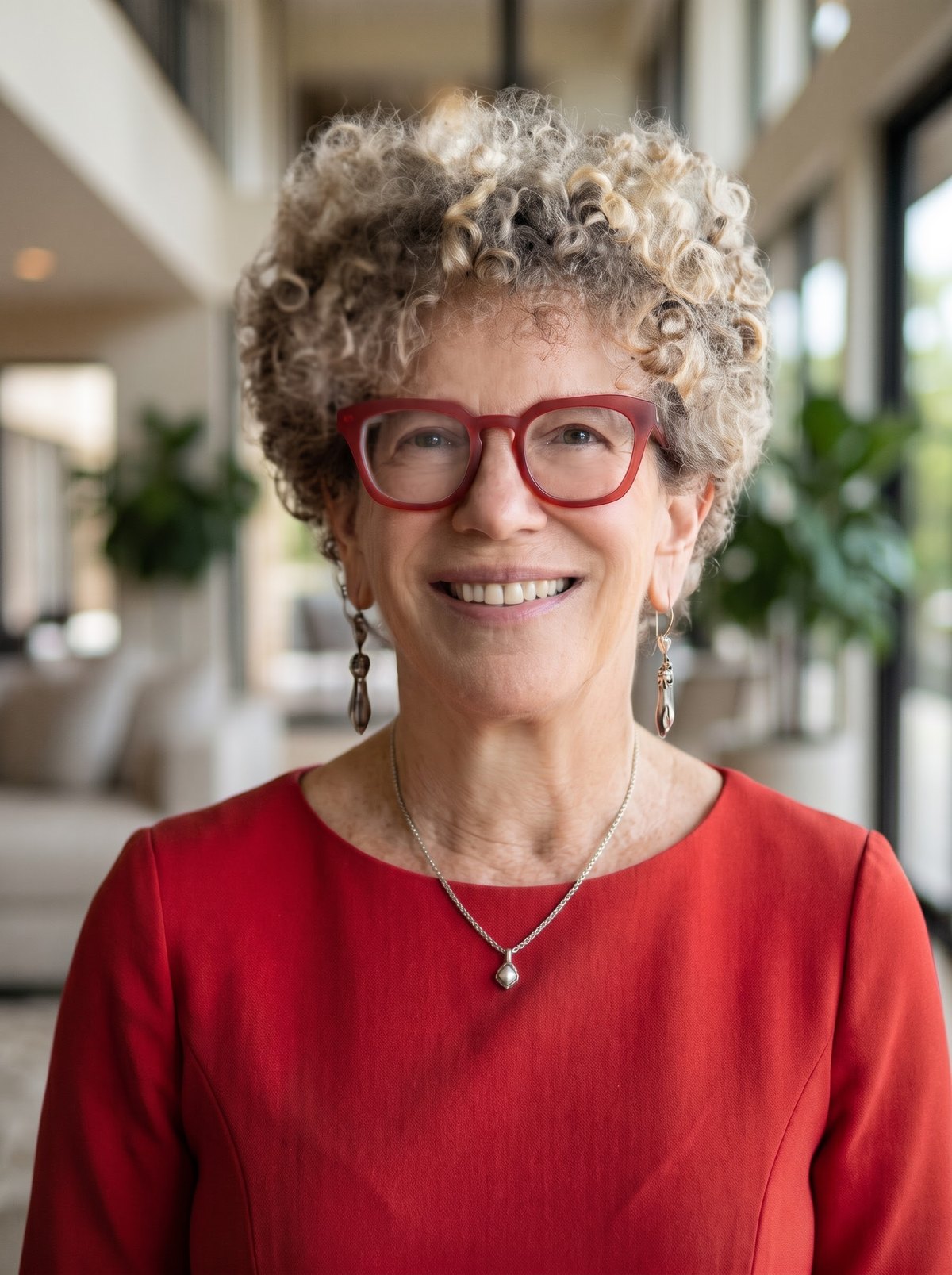
Thinking about a Central Florida move? Sean & Barb specialize in physician relocations across ten markets, with over 60 years of combined experience.
Read the Physician Relocation Guide